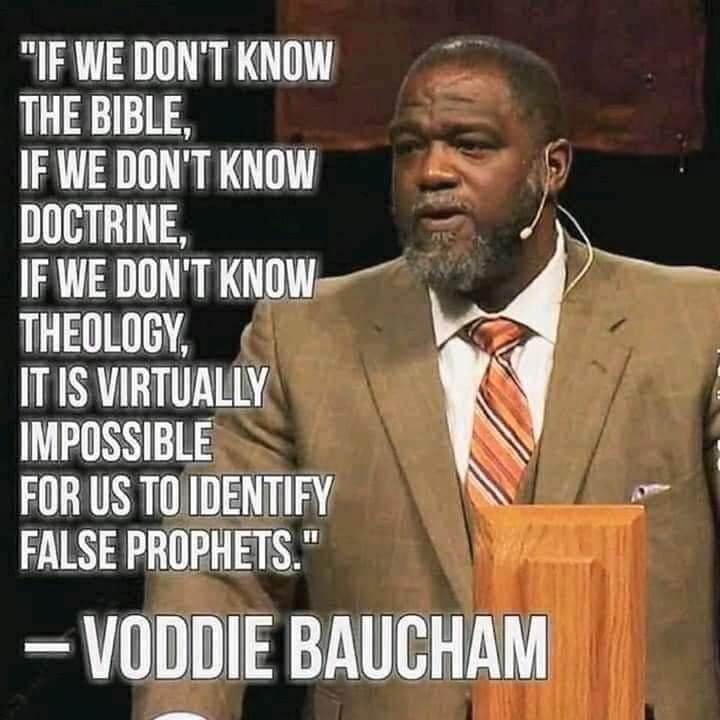
Can AI Interpret Tongues?

@SincereSeeker

Let’s talk straight then.
You say AI goes from “wrench in the shed” to “preacher in the pulpit” once it comments on tongues or doctrine. That’s a category error. A tool doesn’t become a preacher because it’s used, it becomes dangerous only if it’s believed without question. That applies to books, podcasts, pulpits, or pastors just as much as code. So the issue isn’t AI stepping into the pulpit, it’s people failing to test what gets said from any pulpit (1 John 4:1). That’s not unique to tech. That’s human negligence.

Your concern is valid in principle, but misplaced in application. AI is no more a preacher than a study Bible is a prophet. Both are tools. Both can reflect sound doctrine or error. But neither has a pulse. Neither claims inspiration. And neither has authority unless the listener confuses convenience for truth. That’s not AI’s fault. That’s a failure of discipleship.

You say the Bereans didn’t “Google their way to discernment.” True. But they also didn’t carry leather-bound Bibles with red letters and concordances either. You know what they used? Scrolls. Greek translations. Secondary sources. And they searched daily, using every resource available to verify truth against the Scriptures (Acts 17:11). Today, that includes digital tools, provided the standard is still the Word.

And let’s be honest: bad theology didn’t start with AI. It started when Christians stopped reading Scripture and started outsourcing thinking to charismatic personalities with microphones. If AI exposes shallowness, then praise God, because many pulpits have already been recycling half-truths for years with zero challenge. It’s not the machine replacing the Word, it’s the church neglecting it.

You talk about truth stinging the flesh. Amen. But don’t confuse digital clarity with doctrinal compromise. The Spirit leads us into all truth (John 16:13), and truth can ride on any road, spoken, printed, or coded. God used a donkey? Yes. But He didn’t ban horses. The point isn’t that only one medium is safe, the point is who’s doing the interpreting, and what standard they’re using.

So no-I haven’t handed discernment over to a machine. I’ve sharpened discernment with a machine, just like I would with a lexicon, a concordance, or a Greek grammar. The standard hasn’t changed: “Rightly dividing the Word of truth” (2 Tim 2:15).
If AI helps someone read more Scripture, study more deeply, or test what they hear, then it’s serving the Body, not replacing it.

Discernment isn’t threatened by tools…it’s threatened by laziness.
The problem isn’t that AI sounds convincing, the problem is Christians aren’t comparing it to the Book.
So test everything, yes. But don’t fear the tool. Fear God, know His Word, and let every voice be judged by it.
Even yours.
Even mine.
Even the AI.

By the Word. Not by assumption.

J.
@Johann

I loved this deep-dive into the contextual circumstnces in which Paul uses this oft-quoted phrase. Your comprehensive exegesis of scripture is always a pleasure to read. I am careful to not decontextualize scripture, so I sincerely appreciate you binging the full weight of Paul’s inspired use of this phrase.

Like so many of Paul’s phrases, this one being perfectly inspired for the specific ocassion, is also able to bring its conviction to other situations without damaging its initial value. The recognition that there is no condemnation to the born-from-above believer bound closely, in the same breath, with the senslesness of in continuing in the sin from which we were saved is available for us to generoulsy apply to many of our life’s situations. His one/two combination of freedom/caution help us navigate other circumstances unlike the one he was addressing in a godly way. I found it helpful in explaining my own freedom to us the worldly tools available to us when needed, while being cautions to not allow those tools to gain any control of me.

Thanks for your excellent work of keeping us grounded in The Word.

KP

1 Like

Stay strong in Christ Jesus, you and family @KPuff


I use every tool at my disposal, because biblical illiteracy isn’t a local issue, it’s a global epidemic.

Shalom Achi.

J.

1 ..you gotta be converted to start with.. AI is not

2… Tongues are practiced in the NT in local church settings. Not digital i and o .

3… Tongues ARE known languages.. is that what was put up for a language?

You think this is glossalia @360watt?

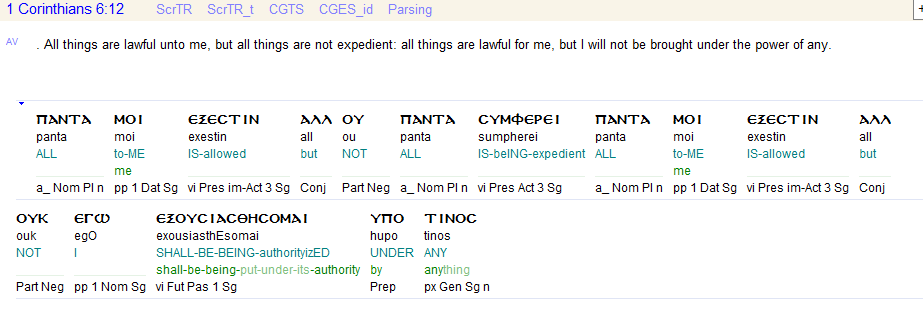
Lawful (exestin). Apparently this proverb may have been used by Paul in Corinth (repeated in 1Co_10:23), but not in the sense now used by Paul’s opponents. The “all things” do not include such matters as those condemned in chapter 1Co_5:1-13; 1Co_6:1-11. Paul limits the proverb to things not immoral, things not wrong per se. But even here liberty is not license.
But not all things are expedient (all’ ou panta sumpherei). Old word sumpherei, bears together for good and so worthwhile. Many things, harmless in themselves in the abstract, do harm to others in the concrete. We live in a world of social relations that circumscribe personal rights and liberties.
But I will not be brought under the power of any (all ouk egō exousiasthēsomai hupo tinos). Perhaps a conscious play on the verb exestin for exousiazō is from exousia and that from exestin. Verb from Aristotle on, though not common (Dion. of Hal., lxx and inscriptions). In N.T. only here, 1Co_7:4; Luk_22:25. Paul is determined not to be a slave to anything harmless in itself. He will maintain his self-control. He gives a wholesome hint to those who talk so much about personal liberty.
RWP.

  1. “All things are lawful unto me.” (panta moi eksestin) “all kind of things are lawful to me, to have and hold.” Paul had civil liberties, rights under law for which it was not best to claim where and when such would be hurtful to the brethren or the Church.

  2. “But all things are not expedient.” (alla ou panta sumpherei) “but all kinds of things are not advantageous, or expedient to me”, in using my influence best to the glory of God, Paul asserted.

  3. “All things are lawful for me.” One had a civil legal right, to resort to civil law to secure the object of his contention in business or civil disputes, but Paul argued that he would not pursue such to the hurt of the church, See?

  4. “But, I will not be brought under the power of any.” (alla ouk ego eksousiasthesomai hupo tinos) “But I will not permit myself to be ruled by a single lawful thing to the hurt of my influence.”

    Flee Sexual Immorality
    1Co 6:12 Everything is permissible for me, but not everything is good for me. Everything is permissible for me, but I will not become a slave to anything.
    1Co 6:13 Foods are intended for the stomach, and the stomach for foods, but God will finally put a stop to both of them. The body is not intended for sexual immorality but for the service of the Lord, and the Lord is for the body to serve.
    1Co 6:14 And as God by His power raised the Lord to life, so He will raise us too.
    1Co 6:15 Do you not know that your bodies are parts of Christ Himself? Then may I take away parts of Christ and make them parts of a prostitute? Never! Never!
    1Co 6:16 Or, are you not aware that a man who has to do with a prostitute makes his body one with hers? For God says, “The two shall be physically one.”
    1Co 6:17 But the man who is in union with the Lord is spiritually one with Him.
    1Co 6:18 Keep on running from sexual immorality! Any other sin that a man commits is one outside his body, but the man who commits the sexual sin is sinning against his own body.
    1Co 6:19 Or, are you not conscious that your body is a temple of the Holy Spirit that is in you, whom you have as a gift from God? Furthermore, you are not your own,
    1Co 6:20 for you have been bought and actually paid for. So you must honor God with your bodies.

Thanks for making my point crystal.

J.

I’ll have to read back a bit to get the gist of the whole thread. Not quite getting it yet.

No problem @360watt the topic is can AI interpret tongues, and I have veered off topic.

J.

Johann… I hear the tone shift. Less smoke, more steel. Let’s stay there.

You said it’s a category error to call AI a preacher just because it speaks on doctrine. Maybe. But here’s the problem. We don’t live in a world of tidy categories. We live in a world where the average Christian can’t name the four Gospels but will take theological advice from a TikTok reel or a chatbot with smooth syntax. The issue isn’t whether AI claims authority… it’s that people assume it has it because it answers quickly, confidently, and without hesitation. And that’s not neutral. That’s formation. Whether it’s coming from a pulpit, a podcast, or a processor, formation without foundation is still a threat.

You say it’s not AI’s fault, it’s human negligence. Fair. But that’s like saying the fire isn’t dangerous, only the fool who plays with matches. True… but let’s not pretend the fire’s neutral just because it doesn’t have intent. Power without accountability always burns. And that’s the pulse behind my warning.

I’m not against tools. I use them. I sharpen swords with swords. I’ll praise God for scrolls, leather bindings, PDFs, concordances, and yes… even code. But the moment the Church forgets that the Word is breathed by God and starts treating outputs as if they’re on par with inspired text, we’ve drifted from reverence into algorithmic idolatry.

You mentioned the Bereans used every resource available. Absolutely. But they didn’t just search for information… they searched for confirmation. They already had the Word. They didn’t use secondary sources to substitute it. They used them to weigh it. Today’s problem isn’t access… it’s appetite. We’re full of tools and starving for truth.

And yes, bad theology didn’t start with AI. It started when people traded exegesis for experience… and conviction for convenience. AI just throws gasoline on the existing fire if it’s left unchecked. You say it sharpens your discernment. Amen. Then use it like a whetstone, not a weapon. But let’s not pretend every believer does. Some are using it as a shortcut to wisdom instead of a supplement to the Word.

So you’re right. Discernment isn’t threatened by tools. It’s threatened by laziness. But the Church has been on that lazy trajectory long before the first line of code. AI just exposes it… magnifies it… and if we’re not careful, reinforces it.

The issue isn’t that AI is replacing the preacher. It’s that the pew is too quiet to notice.

So we test everything. We fear God. We cling to Scripture. And we watch the road signs for any voice… human or machine… that speaks without tremble.

Let the Book judge the bots. Let the Spirit sift the voices. And let the Bride wake up and read.

—Sincere Seeker. Scripturally savage. Here for the Truth.

1 Like

@SincereSeeker

You said AI becomes formative because it speaks confidently.

That is not formation. That is imitation. Paul formed the churches by preaching, weeping, laboring, and suffering (Acts 20:19–31). The Spirit formed Christ in the believer through sanctification (Galatians 4:19, 1 Thessalonians 4:3). Formation in Scripture is not about confidence or clarity. It is about cruciformity. AI doesn’t take up a cross, doesn’t bleed truth, doesn’t weep over souls. Formation without the Spirit is fabrication.

You said AI’s confidence is a threat because it is received as authority.

That only proves the listener has ceased to test all things (1 Thessalonians 5:21), to search the Scriptures (John 5:39), to weigh prophecy (1 Corinthians 14:29), to hold fast to the faithful word (Titus 1:9). The problem is not the voice. The problem is the ears. When itching ears stop enduring sound doctrine (2 Timothy 4:3), they will gather teachers—digital or human—who speak what flatters. That is not the fault of the tool. That is the fault of the flesh.

You warned that fire burns even if it has no intent.

But the fire in Jeremiah’s bones wasn’t AI, it was the Word (Jeremiah 20:9). Fire purifies, refines, tests, consumes chaff, illuminates paths. Fire is not evil because it burns. It is evil when misused. The Word is a fire (Jeremiah 23:29). The Holy Spirit came in fire (Acts 2:3). Are we now to say fire is a threat? No. The problem is not combustion. It is carnality mishandling glory.

You said we drift into algorithmic idolatry when we confuse outputs with inspiration.

And amen. But don’t charge the keyboard with the crime. The idolatry lies in the heart that exalts anything above what is written (1 Corinthians 4:6). The golden calf came from human hands, not divine code. Israel made an idol from gold that God had allowed them to plunder. It was not the gold. It was the rebellion. The output is not the idol. The heart is.

You said the Bereans confirmed, not substituted.

Yes. And that’s what we do. I don’t replace Scripture with a model. I submit every line, every suggestion, every cross-reference to the Book. AI does not function as a substitute. It functions as a searchlight. And the discerning Christian will use it to magnify the Word, not to mimic the Word. Bereans examined daily. They didn’t panic over parchments. They measured men by the written Word. That pattern remains.

You said today’s issue is not access but appetite.

Then feed the sheep. Do not warn them that the grass is dangerous. Warn them that famine is near if they do not eat. The Word rebukes, corrects, trains (2 Timothy 3:16). AI can quote that Word. AI can list that Word. AI cannot incarnate it.

But when the sheep are too lazy to open the Book, better a tool that brings Scripture to their eyes than a shepherd who leaves them to starve in fear of misuse.

You warned that AI is gasoline on an old fire.

Then put guards around the fire, not a ban on matches. The pulpit has been polluted long before AI. False teachers crept in unnoticed (Jude 4). Wolves don’t need code. They need pulpits. And cowardice. And silence. The issue is not that AI is loud. It is that pastors are quiet. Cry aloud, spare not, lift up your voice like a trumpet (Isaiah 58:1). If you’re worried about the pew being silent, then preach until it trembles.

You said we must test all things, cling to Scripture, and fear God.

Amen and amen. But then do not fear the tool. Fear the man who stops testing. Fear the voice that refuses to open the Word. Fear the platform that silences truth because it might be misused. Scripture is sufficient. The Spirit is present. The Church is not fragile. She is armed.

Let the Book speak. Let the Spirit convict. Let the saints discern. And let every tool, including AI, be weighed not by paranoia but by fruit.

J.

Johann… this one had heat. And reverence. I’ll match both.

You’re right to say formation is cruciform, not computational. Paul didn’t disciple with code… he bled out doctrine on dirt floors. I won’t argue that AI can’t form hearts the way suffering, obedience, and the Spirit do. Amen to that. But my point wasn’t that AI forms like Paul. My point is that we’ve raised up a generation trained by tone, not truth… and when AI mimics that tone with theological polish, the undiscerning start calling imitation formation. That’s not the Spirit’s fault… but it’s still a spiritual crisis.

You said the problem isn’t the voice… it’s the ears. Right again. But that’s exactly why I stay loud about it. If ears are itching, if discernment is dying, then we don’t get to shrug and say “well, the tool’s neutral.” We sound the alarm. We call out the softness. We teach the sheep to test every syllable… even if it’s wrapped in digital fluency. Especially then.

Fire in Jeremiah’s bones? That was divine. But strange fire killed Nadab and Abihu. So no, I’m not calling fire a threat… I’m calling misuse a reality. And if a tool burns the eyes instead of lighting the path, I’m not afraid to name that too. You quoted Jeremiah 23:29. The Word is fire. So why are so many cozy with sparks that never produce heat, clarity, or repentance? That’s the question.

You said the golden calf came from human hands, not divine code. Exactly. Which is why I’m not blaming the keyboard… I’m warning the worshipper. The idol isn’t in the processor. It’s in the heart that prefers secondhand revelation over firsthand Scripture. Whether the idol is a personality, a platform, or a paragraph written by AI… it’s still rebellion if it replaces the Word rightly handled.

And yes… the Bereans weren’t panicked over parchments. But let’s not pretend we’ve got a church full of Bereans. We’ve got click-hungry, shortcut-loving, attention-shrinking saints who confuse data access with divine encounter. If AI is just a searchlight, then praise God. But if it becomes the substitute meal, then even a verse pulled from Scripture can be used like Satan used Psalm 91 in the wilderness… out of context, out of season, out of step with the Spirit.

You said feed the sheep, not fear the grass. I agree. But if the pasture’s poisoned, I’m not handing out samples. I’m flipping troughs. Because the wolves aren’t in hiding anymore… they’re branding their poison with spiritual logos and charging subscription fees. The sheep don’t just need food… they need watchmen.

You say the pulpit polluted itself long before AI. And you’re right. So why are we shocked when the pews can’t tell sound doctrine from synthetic quotes? The answer isn’t silence. It’s clarity. It’s crying aloud, like you said. But crying aloud means naming the dangers, not just the doctrine.

I’m not calling for a ban. I’m calling for boldness. Use every tool. Redeem every medium. But never assume neutrality just because it prints verses. Every tool is a test. Every voice must bow to the Book.

So yes… let the Spirit convict. Let the Word speak. And let AI be weighed, not worshipped.

And if we differ, so be it… as long as we both kneel before the same unshakable standard.

—Sincere Seeker. Scripturally savage. Here for the Truth.

I was using chatgpt to try and answer questions in a multiple choice open book work e-learning.

The problem was the open book was so long it was really hard to find the section we were supposed to know for the answer.

The chatgpt actually got the questions wrong anyway, according to the multiple questions answers when checked!

You have to ask the right kind of question, worded the right way, to get the right information.

But yeah, I really don’t like it when someone uses AI to answer a bible question and puts it in a christian forum. I think it would be better to compare the AI answer with some solid bible preachers, and post that.

@SincereSeeker you say..

“Formation is cruciform, not computational. Paul didn’t disciple with code… he bled out doctrine on dirt floors.”

True, Paul suffered. But churches were not formed by wounds alone. They were grounded in the doctrine he preached and the letters he wrote. Ephesians 3 verse 3 shows that the mystery of Christ was made known to him by revelation, and he wrote it down so others could understand. Romans 10 verse 17 says faith comes by hearing, and hearing by the Word of Christ. The Spirit worked through Paul’s scrolls, not just his scars. What formed disciples was not just suffering but truth rightly taught. Mediums change, but the message remains the power.

  1. “We’ve raised up a generation trained by tone, not truth… and when AI mimics that tone with theological polish, the undiscerning start calling imitation formation.”

Tone can mislead, but that danger predates AI. In Genesis 3, the serpent used tone to question God. Yet Jesus used tone with divine clarity. Paul’s tone ranged from lament to rebuke to tenderness, and he still expected believers to judge based on content. The Bereans in Acts 17 verse 11 did not judge tone. They examined the Scriptures daily. Hebrews 5 verse 14 says mature believers have trained their discernment by constant use of the Word. The problem is not mimicry. It is malnourishment in truth. Equip the saints. Do not fear rhetorical imitation.

  1. “If ears are itching, if discernment is dying, then we don’t get to shrug and say ‘well, the tool’s neutral.’ We sound the alarm.”

Sound the alarm, yes, but place the blame where Scripture does. The real danger is men who will not endure sound doctrine but chase teachers to suit their desires (2 Timothy 4 verse 3). Jesus warned of false prophets in Matthew 7 verse 15, not dangerous platforms. Paul told Timothy to preach the Word with urgency (2 Timothy 4 verse 2). The neutrality of tools is not the issue. The crisis is the pulpits that lack fire. Sound the alarm with the sword of the Spirit, not with suspicion of tools.

  1. “Strange fire killed Nadab and Abihu… misuse is a reality.”

Leviticus 10 verse 1 shows that Nadab and Abihu offered fire God had not commanded. Their error was not about medium but about disobedient worship. The fire from God’s mouth is not dangerous when rightly used. Jeremiah 23 verse 29 says God’s Word is fire and a hammer that breaks rocks. The issue is not the existence of fire but its source. Fire purifies when it is from heaven. It kills when it is fabricated. That principle applies to sermons, songs, and yes, even AI output.

  1. “The idol isn’t in the processor. It’s in the heart that prefers secondhand revelation over firsthand Scripture.”

True. But all revelation delivered to others has always been secondhand. Moses spoke God’s Word. The prophets were carried by the Spirit. Romans 10 verses 14 to 15 asks how people can believe unless someone preaches to them. The danger is not secondhand content. The danger is treating anything as infallible that is not the Word rightly handled. The heart must be tested, but the delivery system is not the idol. The idol is when the voice replaces the Book.

  1. “We don’t have a church full of Bereans… we’ve got shortcut-loving saints who confuse data access with divine encounter.”

That is true and tragic. But the response is not to limit access. It is to train discernment. Hebrews 5 verse 12 says many need milk instead of solid food because they are unskilled in the Word. Jesus opened His disciples’ minds to understand Scripture in Luke 24 verse 45. Discernment does not come from isolation. It comes from saturation in the text. Satan misused Psalm 91 in the wilderness, but Jesus answered with Scripture rightly applied. Equip the saints, do not starve them.

  1. “If the pasture’s poisoned, I’m not handing out samples. I’m flipping troughs.”

That is part of the shepherd’s duty. But Psalm 23 says the Lord leads to green pastures. Titus 1 verse 9 says a pastor must hold firm to sound doctrine and rebuke those who contradict it. Flipping troughs is not enough. You must also feed. Starving the flock because the food delivery changed is negligence. The answer to poison is not silence. It is biblical clarity and gospel fullness.

  1. “The pulpit polluted itself long before AI… so clarity means naming the dangers.”

Yes, and name them with biblical specificity. Hosea 4 verse 6 says God’s people perish for lack of knowledge, not for overuse of tools. The famine in Amos 8 verse 11 is of hearing the Word of the Lord. That is the real crisis. The solution is not nostalgia for older methods but restoration of the Word preached with power. Cry aloud, as Isaiah 58 verse 1 commands, but let the cry be rooted in rightly divided truth.

  1. “I’m not calling for a ban… I’m calling for boldness. Every voice must bow to the Book.”

Then let that standard be applied to all voices. First Thessalonians 5 verse 21 says test everything. Hold fast to what is good. The Word is living and active, sharper than any sword (Hebrews 4 verse 12). Whether the message comes by scroll, sermon, or script, it must be judged by Scripture. Let the Spirit convict. Let the Book rule. But do not assume the Spirit is mute just because the medium is digital. Let every word bow to Christ.

So let’s set aside the back-and-forth. You walk in what you’re called to, and I’ll walk in what I’ve been assigned.

Fair enough?

J.

Good to know you can match both @SincereSeeker

Here are several reputable sources, and accessible online links, that demonstrate how the Early Church Fathers (ECF) used secondary sources such as earlier leaders, written traditions, secular historians, and patristic quotations. Included are citations from Eusebius, Irenaeus, Papias, and Polycarp.

  1. Irenaeus quoting earlier Christian witnesses
    Irenaeus in Against Heresies Book III, Chapter 3, Paragraph 4 describes how he personally encountered Polycarp, who had learned directly from those who saw Christ—including the Apostle John:

“Polycarp … taught the things which he had learned from the apostles and which the Church has handed down.”
Wikipedia
+15
Medium
+15
Biola University
+15

He also quotes Papias and connects him to John the Apostle as an eyewitness tradition-bearer (Against Heresies V.33). Irenaeus presents Papias’ work as valuable secondary testimony about apostolic teaching
Credo Magazine
Wikipedia
.

  1. Papias preserving oral tradition
    Papias of Hierapolis (c. 60–130 AD) collected sayings of Jesus from direct eyewitnesses such as John and Aristion. Though his five-book work is lost, major excerpts survive via Irenaeus and Eusebius
    Wikipedia
    +1
    Credo Magazine
    +1
    .

  2. Eusebius using historical and apostolic records
    In Ecclesiastical History, Eusebius extensively cites earlier documents:

He quotes Josephus (e.g., Jewish War and Antiquities) to record political, historical, and Jewish context including famine, temple destruction, and persecutions of Christians
Wikipedia
+15
New Advent
+15
Wikipedia
+15
.

He also preserves exponent fragments from Irenaeus, Papias, and other Christian writings, serving to echo earlier Christian memory and teaching
Biola University
+8
Wikipedia
+8
Medium
+8
.

  1. Use of apocryphal and noncanonical writings
    Irenaeus in Against Heresies cites noncanonical works such as 1 Clement and The Shepherd of Hermas to reinforce patristic doctrinal continuity, while still distinguishing them from canonical Scripture
    Wikipedia
    .

Summary Table
Church Father Secondary Sources Used Purpose and Context
Irenaeus Papias, Polycarp, earlier apostolic testimonies, apocryphal works To validate apostolic tradition and guard against Gnostic teaching
Papias Eyewitness oral testimony from John and others To record early apostolic sayings and traditions
Eusebius Josephus, early Church writings, martyrdom accounts To document church history, persecution, and theological heritage

Further Reading Links:
Irenaeus on Polycarp and apostolic succession: Against Heresies Book III.3.4, Book V.33.3–4
Tis Mercy All
Biola University
+4
Medium
+4
Reddit
+4

Papias and oral tradition: Papias of Hierapolis (overview and fragments)
Wikipedia
+1

+1

Eusebius using Josephus and early sources: Church History Books II–III referencing Josephus, Origen, earlier bishops
New Advent
Wikipedia
Academia

So yes, the ECF did utilize secondary sources, quoting and referencing earlier Christian writers, eyewitnesses, oral traditions, non-biblical texts, and secular historians. These sources were not treated as equal to Scripture, but functioned as tools to safeguard orthodox teaching, record church history, and connect contemporary theology to apostolic roots.

If secondary sources were good for them, ECF’, it is good enough for me.

This is not about intellect or debate points, but about walking in the Spirit and obeying the commands of Christ.

1 Cor. 13.

J.

@Johann… I appreciate the tone, the study, the citations. You’ve done your homework. But since you brought the Fathers into the ring, let’s make sure we read them with both eyes open and not just the ones that agree with modern methods dressed in ancient robes.

Yes, the early Church leaned on eyewitnesses, preserved oral tradition, and cited faithful testimony. But they didn’t quote Papias the way we quote Paul. They didn’t read Josephus like they read John. The Fathers were relentless in defending a canon that was fixed, authoritative, and breathed by God… not supplemented by sentiment or secondhand affirmation. They didn’t lean on secondary sources to validate new doctrine—they leaned on them to guard old truth. That’s a tectonic difference.

Irenaeus quoted Polycarp because Polycarp echoed the apostles. Eusebius referenced Josephus for context, not for covenant. The secondary sources were tools… yes… but they were subordinate, tested, and never treated as revelatory. The early Church had a high view of testimony, but an even higher view of Scripture. If anything, their use of sources underscores their obsession with fidelity to the apostolic deposit… not their openness to creative interpretation.

You say this isn’t about intellect or debate points. Good. Then let’s go beyond citations and touch the center of the matter. This isn’t about whether AI can repeat facts. It’s about whether the Church still fears God enough to tremble at His Word… or whether we’ve outsourced awe to anything that types fast and sounds polished.

You brought up 1 Corinthians 13. Beautiful. Love is patient. Love is kind. Love also rejoices in the truth. And Paul wrote that chapter while rebuking a church obsessed with gifts, show, and self… a church that spoke in tongues but lacked love, chased knowledge but forgot holiness, boasted in utterance but ignored obedience. Sound familiar?

Yes, love believes all things. But love does not believe all voices. Love tests. Love discerns. Love clings to what is good. And love says no when a false Christ shows up with a digital smile and a scripture-scented soundbite. The Spirit does not contradict the Word He wrote. If the medium starts to muffle the message… we name it.

I’m not afraid of tools. I use them. But I won’t sanctify something just because it echoes orthodoxy once in a while. That’s how deception works… not in the firehose of heresy, but in the trickle of compromise.

So yes, feed the sheep. But test the grass. And if the pasture gets invaded by sleek voices that mislead… we don’t shrug and say the ECF used parchment. We flip the trough and clear the field.

You say let’s both walk in what we’re assigned. Amen. But I’ll keep my sword sharp while I walk… because the wolves haven’t stopped.

—Sincere Seeker. Scripturally savage. Here for the Truth.

@SincereSeeker… I’ll take your challenge head on. You drew your sword, now let’s test the metal.

You said this isn’t about AI repeating facts. You’re right. It’s about whether the Church fears God enough to discern truth in any format, or whether we’ve fallen into a superstition that sanctifies paper and ink but suspects every pixel. The issue here isn’t awe, it’s accuracy. If you think the Holy Spirit stops at the screen border, then your doctrine of providence is too small and your theology of communication is stuck in the Gutenberg age.

You referenced the early Church. Good. Let’s actually honor their method, not just name-drop their voices. The Fathers used tools, parchment, scribes, oral recollection, memory, debate, and yes, contextual sources. They didn’t have print shops or audio Bibles. But they engaged every available form with discernment, not fear. Irenaeus leveraged reason and rhetoric to refute Gnostics. Justin Martyr debated in the forum. Origen did textual criticism before we had footnotes. The early Church didn’t shun tools, they wielded them.

You say they leaned on eyewitnesses, not data. Yet Luke, writing under inspiration, opened his Gospel by saying, “Having investigated everything carefully from the beginning, it seemed good to me also to write it out for you…” (Luke 1:3). That’s first-century methodology, grounded in historical inquiry, not just divine downloads. He verified. He organized. He used sources. Was Luke “supplementing sentiment”? Or stewarding truth through God-ordained investigation?

Then there’s your concern: “If the medium muffles the message… we name it.” Amen. But you haven’t shown that it does. You’ve only implied that because it’s digital, it must be suspect. That’s not discernment, that’s digital phobia cloaked in spiritual rhetoric.
Show the contradiction. Name the error. If AI says Jesus is Lord, born of a virgin, crucified for sin, raised in power, and returning in glory, what exactly is being muffled? Or are you now suspicious of truth just because it arrived through silicon?

You say, “Love tests.” Exactly. And Scripture is the test. Not your gut. Not your comfort zone. Not your nostalgia for quills and vellum. If you want to refute error, then wield the sword of the Spirit, don’t just swing shadows at the shape of technology.

The early Church trembled at the Word of God. And they used every tool at their disposal to magnify it, not muzzle it. Today, we have tools that can help a Bible-illiterate world hear the gospel in 100 languages, cross-reference verses in seconds, and proclaim Christ where pulpits are silent. That’s not a threat. That’s a responsibility.

If you call AI a false Christ just because it’s fast and polished, then by that logic every articulate preacher is suspect. Truth isn’t disqualified by the elegance of its delivery. It’s verified by the Word of God. Period.

So let’s be blunt. The Church isn’t failing because it uses tools. It’s failing because it forgets the truth those tools are meant to proclaim. The danger isn’t technology, it’s theology without submission. Scripture twisted, not Scripture typed.

So yes, keep your sword sharp. But don’t stab the messenger because he speaks in bytes instead of breath. Test the spirit, not the syntax. Examine the fruit, not the font.

You don’t want to outsource awe? Good. Then don’t outsource discernment either. Use it. Name heresy when it appears. But don’t confuse a delivery method with a doctrine. That’s not discernment. That’s fear dressed up in piety. And fear has never been the test of truth, only Scripture is.

So feed the sheep. But if the pasture’s barren and God opens a channel through the screen, don’t call that poison. Call that provision.

J.

1 Like

I’m not sure AI is using Scripture the way the Holy Spirit speaks truth to us. I’m not about to get AI to help me in my Bible study. It cannot replace Scripture and the undwelt Holy Spirit.

I take it you are in no need of secondary sources then @Dogmum?

J.

As a matter of fact, no. I use several translations of Scripture and several study Bibles.

1 Like

No problem, @Dogmum. But may I ask: how do you plan to exegete John 1:1 when engaging a Jehovah’s Witness or a Muslim, especially when the divinity and preexistence of Christ are being challenged? On what basis will you explain the grammar and theology of the verse?

John 1:1 in Greek (Nestle-Aland 28th edition):
Ἐν ἀρχῇ ἦν ὁ λόγος,
καὶ ὁ λόγος ἦν πρὸς τὸν θεόν,
καὶ θεὸς ἦν ὁ λόγος.

Or this, from OJB.

Bereshis (in the Beginning) was the Dvar Hashem [YESHAYAH 55:11; BERESHIS 1:1], and the Dvar Hashem was agav (along with) Hashem [MISHLE 8:30; 30:4], and the Dvar Hashem was nothing less, by nature, than Elohim! [Psa 56:11(10); Yn 17:5; Rev. 19:13]
Joh 1:2 Bereshis (in the Beginning) this Dvar Hashem was with Hashem [Prov 8:30].
Joh 1:3 All things through him came to be, and without him came to be not one thing which came into being. [Ps 33:6,9; Prov 30:4]
Joh 1:4 In him was Chayyim (Life) and the Chayyim (Life) was the Ohr (Light) of Bnei Adam. [TEHILLIM 36:10 (9)]

Or this–

Qul huwa Allāhu ʾAḥad
Allāhu aṣ-Ṣamad
Lam yalid wa lam yūlad
Wa lam yakun lahu kufuwan ʾaḥad

English Translation:
Say: He is Allah, the One
Allah, the Eternal Refuge
He neither begets nor is born
And there is none comparable to Him

Relevance to John 1:1:
This Sūrah is used by Muslims to affirm tawḥīd (absolute oneness of God) and to deny any incarnation, sonship, or divine plurality. Specifically, “Lam yalid wa lam yūlad” (He neither begets nor is begotten) is often quoted to reject the Christian doctrine that Jesus is the Son of God, and thereby also reject John 1:1, which presents the Logos as eternally existent and divine.

Just curious, not laying a snare.

J.

Johann… you took the challenge and brought the weight. I respect it. You came with Scripture, Church history, theological muscle… and you came swinging. So let’s meet steel with steel.

You say this isn’t about awe, it’s about accuracy. But that’s a false split. In Scripture, accuracy without awe births Pharisees. The fear of the Lord is the beginning of knowledge. Reverence is not superstition… it’s the foundation of right understanding. When the Church loses awe, she gains cleverness and loses conviction. And yes, I believe awe should inform how we handle every word about God… whether inked or encoded.

You brought up Luke. Amen. He investigated, verified, organized. But you left out one thing… he was carried by the Holy Spirit. His research was inspired. His pen, preserved. That’s not an argument for trusting methodology… that’s a call to submit to divine authority. Luke didn’t write because he had good data. He wrote because God moved him to speak eternal truth through human means. That’s not the same thing as AI quoting a doctrinal statement. Luke didn’t just verify… he revealed.

You said I haven’t shown how the medium muffles the message. Fair. Let me show it now. When someone quotes Scripture from a chatbot and assumes it carries the same spiritual weight as a pastor filled with the Spirit, prayed up and trembling before God… that’s not clarity. That’s confusion. When people elevate algorithmic answers over the hard, holy work of study, silence, and submission… that’s the message being muffled. Not because AI lies, but because it removes the process that forms the preacher. Truth is not just transmission… it’s transformation. And AI can’t be conformed to the image of Christ.

You say I’m suspicious of silicon. No. I’m suspicious of shortcuts. I’m not afraid of tools… I’m afraid of truth being treated like trivia. You’re right that the Spirit is the test. But so is fruit. And if the tool produces shallowness, apathy, overconfidence, or theological sloppiness… I’ll name it. Not because I fear bytes, but because I fear God.

You said we shouldn’t confuse delivery method with doctrine. But you’re assuming they’re separate. Sometimes they’re intertwined. God chose ink on scrolls, not clouds in the sky. He gave stone tablets, not mental downloads. The Incarnation itself was a delivery method… truth made flesh. And Jesus didn’t send a message… He came in person. That’s not accidental. That’s theological. Medium matters when the Word became flesh.

You say AI can help the Bible-illiterate hear the gospel. I agree. And may it do so. But let’s not confuse help with headship. Let it assist, but never lead. Let it serve, but never shepherd. The Church needs men filled with the Spirit, not machines filled with syntax.

You ended strong. You said fear is not the test of truth… only Scripture is. Amen. That’s why I test every voice, every verse, every vibration from a screen by the Book and the Spirit who breathed it. But I won’t lower the standard because the package is shiny.

So yes… I’ll feed the sheep. And if God uses a screen to get the food in front of their eyes, praise Him. But I’ll still test the recipe, taste the fruit, and check the source. Not out of fear… but out of fire. The kind that says not all who speak truth know Truth. And not every pixel that glows with light is carrying the Light of the world.

This isn’t fear. It’s faithfulness. And in this digital age, we don’t need less caution… we need more backbone.

—Sincere Seeker. Scripturally savage. Here for the Truth.