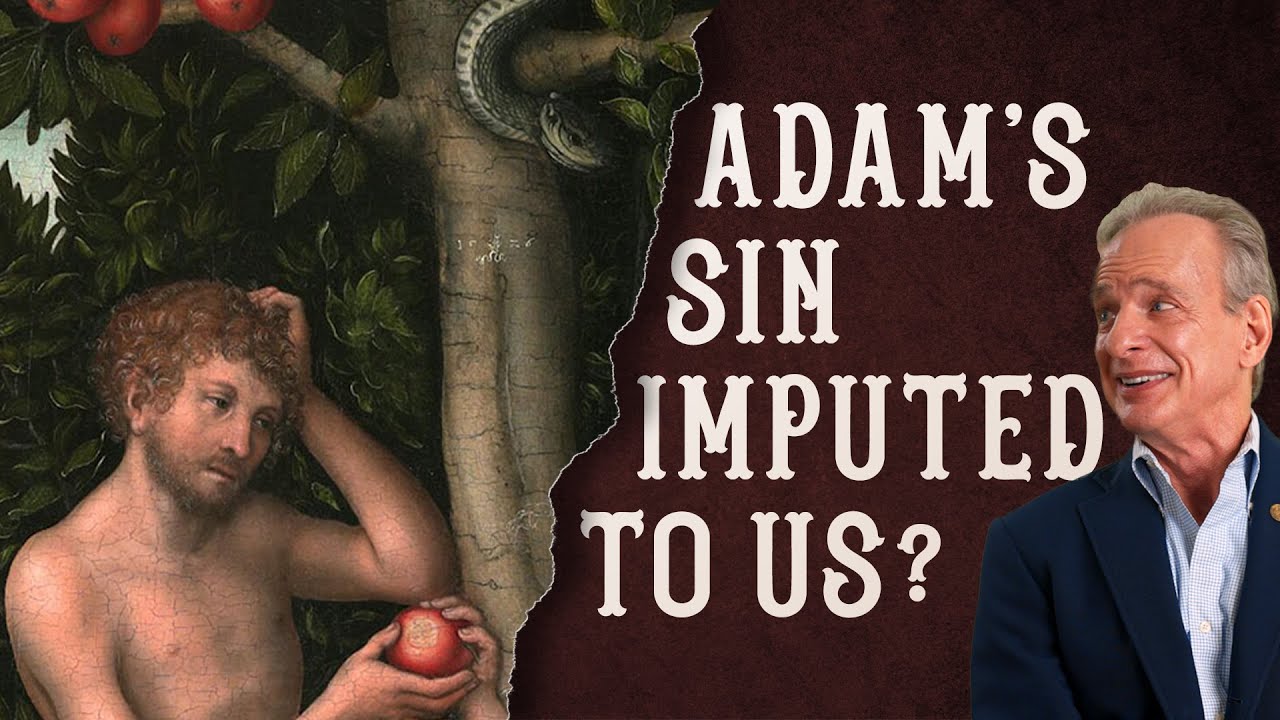
Differing Views on the Doctrine of Original Sin
There seem to be two significant splits when it comes to the doctrine of original sin. Aside from those who do not believe it to be true, we see two major divisions with this doctrine: Eastern Vs. Western thought and Arminian Vs. Calvinist thought on original sin.
Eastern Vs. Western Thought
Before the church split into Catholic and Protestant, a previous church occurred, resulting in the Eastern Church and Western Church. The concept of original sin fell into different categories for each of these.
The Eastern Church, for instance, saw original sin as more of an ancestral sin, humans imitating the sinful actions of their predecessors. Although they believe humans inherited the death that came from Adam’s sin in the garden, they don’t believe humans inherited the guilt from that specific sin.
The Western Church, on the other hand, believes humans have inherited the guilt and the death accompanied by that sin. This line of thought, perpetuated by St. Augustine, believed people had an inherent guilt from the actions committed in the Garden of Eden.
Arminian Vs. Calvinist Thought
When it comes to original sin and free will, the church has also consequently split into Arminian and Calvinist groups of thought.
Arminian thought, according to Got Questions, asserts humans have a sinful nature. Innately, we just sin. However, this view does not place blame on us for Adam’s sin. We’ve sinned all on our own, according to this view, and reap the consequences of that sin.
Calvinists, on the other hand, will argue we inherited Adam’s sin nature and guilt (see Western thought above).
Where the two also differ comes down to just how much free will humans have when determining their sinful conditions and need for a Savior. Although entire books and centuries of debate have offered reasons for the Scriptural veracity of each, this article will not attempt to do so. In either case, both views acknowledge our need for a Savior and our inability to be saved without the work of the Holy Spirit.
No matter what view you adopt, all assert the sinful nature of humans (whether innate or acquired) and the need for a Savior. Romans 3:23 states all have sinned and fallen short of God’s glory.
From Adam’s impassivity in the garden to the sins we carry out in our daily lives, we need a Savior.
Bible Verses on Original Sin
Romans 5:12: “herefore, just as sin came into the world through one man, and death through sin, and so death spread to all men because all sinned.”
Psalm 51:5: “Behold, I was brought forth in iniquity, and in sin did my mother conceive me.”
Isaiah 59:2: “But your iniquities have made a separation between you and your God, and your sins have hidden his face from you so that he does not hear.”
Deuteronomy 1:39: “And as for your little ones, who you said would become a prey, and your children, who today have no knowledge of good or evil, they shall go in there. And to them I will give it, and they shall possess it.”
Psalm 14:2-3: “The Lord looks down from heaven on the children of man, to see if there are any who understand, who seek after God. They have all turned aside; together they have become corrupt; there is none who does good, not even one.”
Ephesians 2:1-3: “And you were dead in the trespasses and sins in which you once walked, following the course of this world, following the prince of the power of the air, the spirit that is now at work in the sons of disobedience— among whom we all once lived in the passions of our flesh, carrying out the desires of the body and the mind, and were by nature children of wrath, like the rest of mankind.”
Your thoughts?
J.